
Most gardeners wait for warm spring weather before planting anything outdoors. That makes sense at first glance. Cold mornings, chilly soil, and the risk of frost can make the garden feel off-limits. But that waiting period can cost you valuable growing time.
Some of the best vegetables for a home garden actually thrive in cool conditions. In many cases, they grow better before summer heat arrives. Planting these crops ahead of your last frost date helps you start earlier, harvest sooner, and make the most of the spring season.
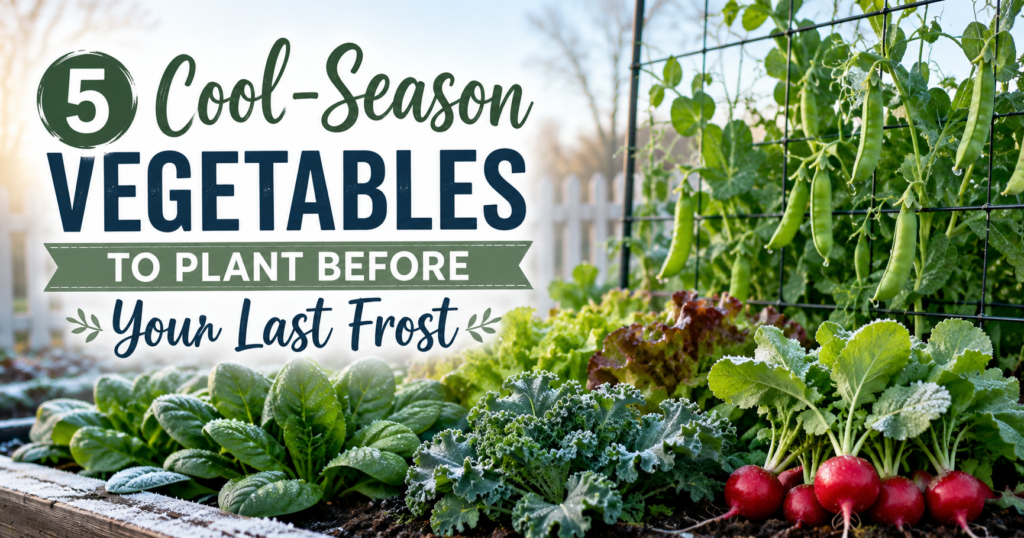
If you want a garden that gets moving before everyone else’s, cool-season vegetables are the place to start. Peas, spinach, kale, lettuce, and radishes are all reliable early growers. They handle lower temperatures well and reward you with fresh harvests while warm-season crops are still waiting in seed packets.
Why Early Spring Planting Works
Cool-season vegetables are built for mild weather. They germinate in cooler soil, tolerate light frosts, and often grow faster in spring than they do later in the year. Once hot weather arrives, many of them slow down, turn bitter, or bolt to seed.
That is why planting early matters. Instead of treating spring as a waiting period, you can use it as a productive growing window. Even a small garden bed can start producing food weeks before tomatoes, peppers, or cucumbers are ready to go in.
The key is not planting at random. You want crops that can handle cold nights and cool soil. These five vegetables are among the easiest and most rewarding choices.
Peas: The Classic Early Crop
Peas are often one of the first vegetables gardeners plant in spring, and for good reason. They germinate in soil temperatures as low as 45 degrees, which gives them a major head start. They also prefer cool weather, so they perform best before early summer heat takes over.
Plant peas as soon as the soil can be worked. That usually means the ground is no longer frozen or waterlogged. Give them a trellis or support early, because healthy plants climb fast once they get established.
One reason peas are so satisfying is timing. They start the season with energy and often produce before much else is happening in the garden. That first harvest feels like a real sign that the season has begun.
Simple tip for peas
- Sow directly into the garden
- Plant early rather than late
- Add support at planting time
- Keep soil evenly moist during germination
Spinach: Sweet, Tender, and Cold-Hardy
Spinach is one of the toughest leafy greens you can grow. It handles freezing temperatures surprisingly well and often tastes sweeter after a light frost. That makes it an excellent choice for gardeners who want fresh greens as early as possible.
Direct sow spinach four to six weeks before your last frost date. Since it prefers cool weather, spring is one of the best times to grow it. The leaves stay tender and mild when temperatures remain low.
Spinach also works well for gardeners who want quick results without much fuss. Once it begins growing, you can harvest outer leaves as needed and let the center keep producing. That gives you a steady supply for salads, wraps, and cooked dishes.
Why spinach earns a spot in every spring garden
- It tolerates cold better than many greens
- It produces early harvests
- It tastes better in cool weather
- It can be harvested more than once
Kale: A Reliable Crop for Cold Weather
Kale is one of the most dependable vegetables in a cool-season garden. It keeps growing in near-freezing temperatures, shrugs off hard frosts, and often stays productive long after other crops have slowed down.
You can plant kale seedlings about six weeks before your last frost date. Starting with transplants gives you a faster path to harvest, though direct sowing can also work in many gardens. Once established, kale is sturdy and low-stress.
Another benefit is its long harvest window. Instead of pulling the whole plant, you can pick the outer leaves and let the center continue growing. That makes kale a strong choice for gardeners who want steady production instead of a one-time harvest.
Best use for kale in spring
Kale fits well into a practical garden plan. It handles rough weather, fills space nicely, and keeps producing when spring shifts between warm afternoons and freezing nights.
Lettuce: Easy, Productive, and Flexible
Lettuce deserves a place in almost every early garden. It is cold-tolerant, fast to establish, and simple to harvest. Loose-leaf varieties are especially useful because you can pick leaves one at a time instead of removing the whole plant.
In many areas, lettuce can even be started under a cold frame when the ground is not frozen. That gives gardeners even more flexibility in early spring. If you want frequent, fresh harvests without waiting for full heads to mature, loose-leaf lettuce is one of the easiest answers.
Lettuce also works well in raised beds, containers, and small garden spaces. Because it grows quickly and does not demand much room, it is a good crop for beginners and experienced gardeners alike.
A good approach for lettuce
- Choose loose-leaf varieties for repeated harvests
- Harvest outer leaves first
- Keep soil lightly moist
- Replant every couple of weeks for a longer season
Radishes: The Fastest Reward in the Garden
Radishes are one of the quickest crops you can grow. Some varieties mature in as little as 25 days, which makes them ideal for impatient gardeners and anyone who wants a fast win early in the season.
They are perfect for direct sowing before your last frost date. Since they grow so quickly, they bring energy to the garden at a time when many other crops are still getting started. Pulling your first crisp radish from the soil can be one of the most satisfying moments of spring gardening.
Radishes are also useful beyond the harvest itself. Because they mature fast, they help mark rows, fill small spaces, and keep the garden productive while slower crops are developing.
Start Early and Harvest Sooner
Waiting for warm weather is not always the best strategy. Some vegetables are at their best when planted early, long before the last frost has passed. Peas, spinach, kale, lettuce, and radishes can all help you build momentum in the garden while the season is still young.
By planting cool-season crops first, you create an earlier harvest, a fuller garden, and a more productive spring. Instead of watching the forecast and waiting, you can start growing food right away with vegetables that actually prefer the cold.